CASE STUDY · KELOWNA
Downsizing out of a house you built yourself
Accepted offer in two days. Firm 20 days after listing, with no price reduction. Sold, July 2025.
The situation
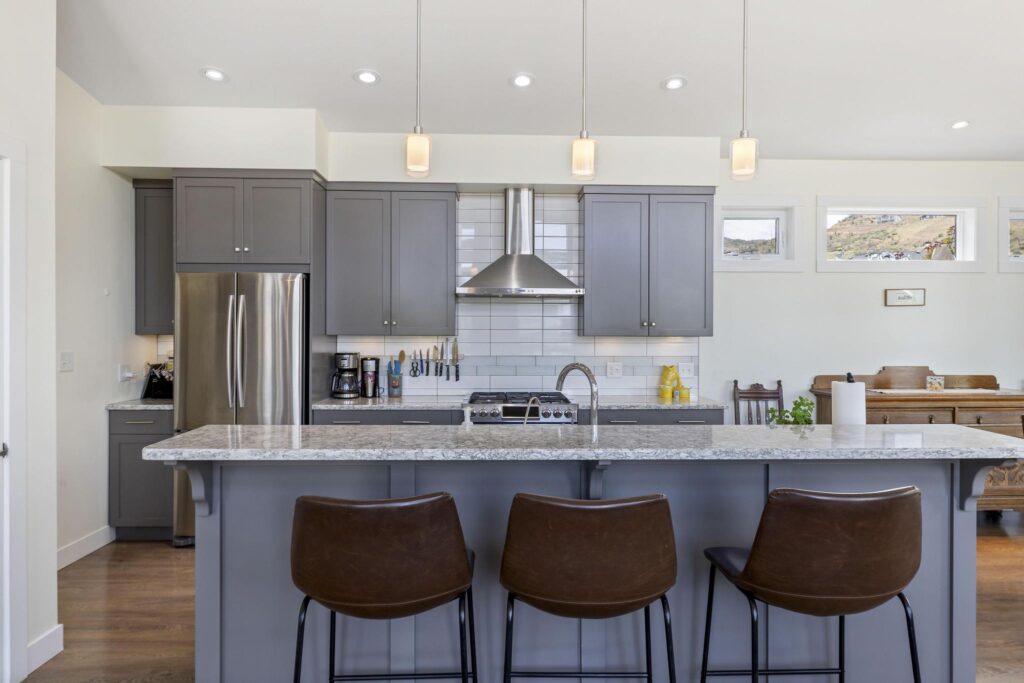
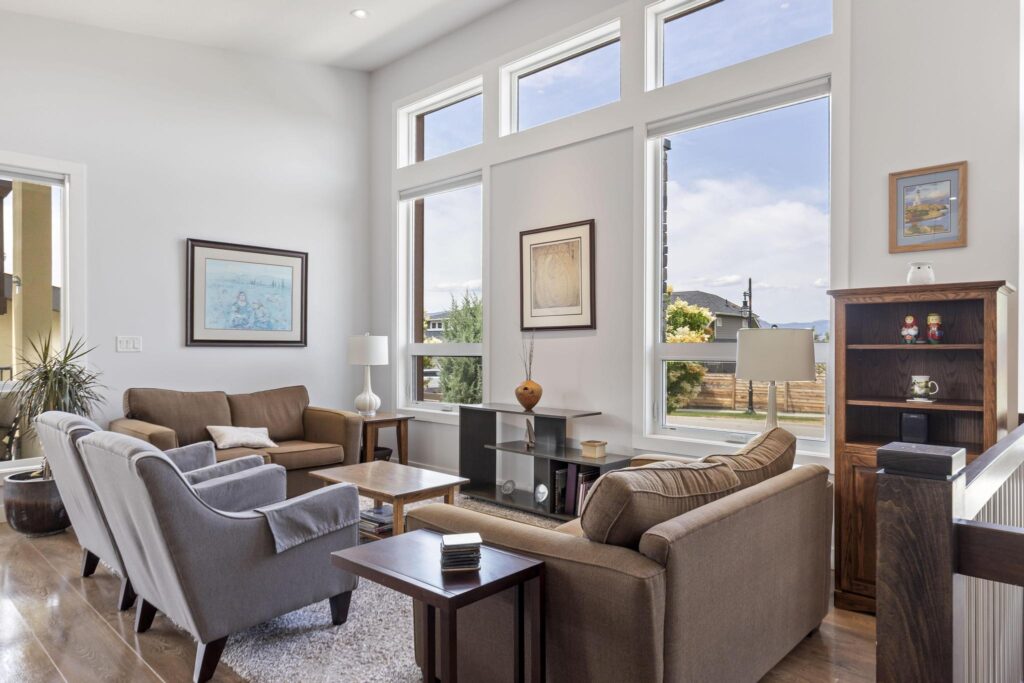
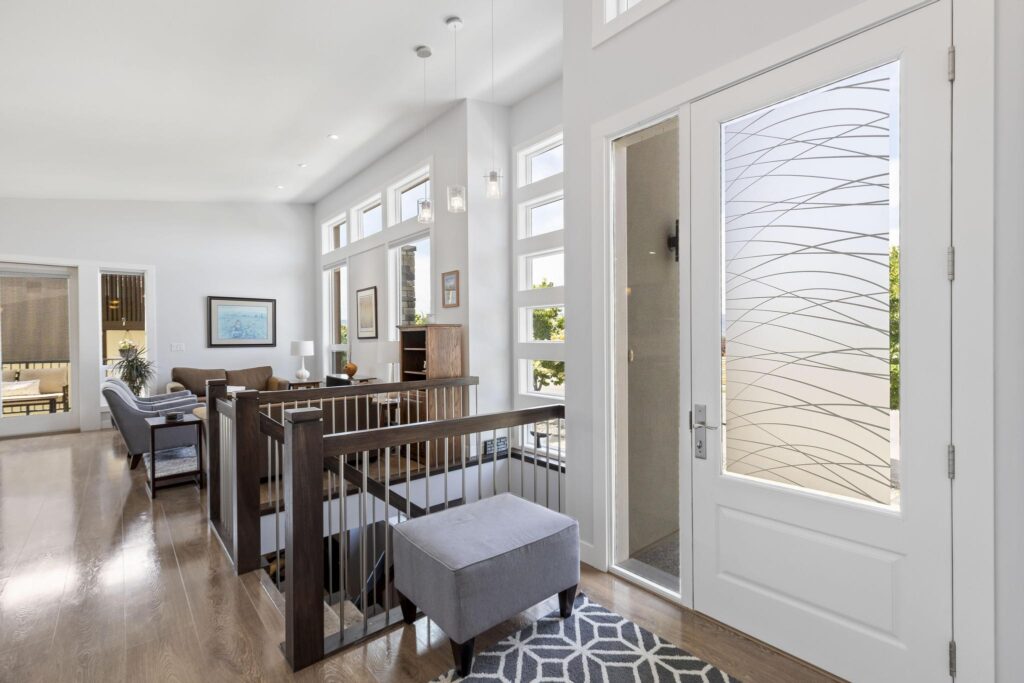
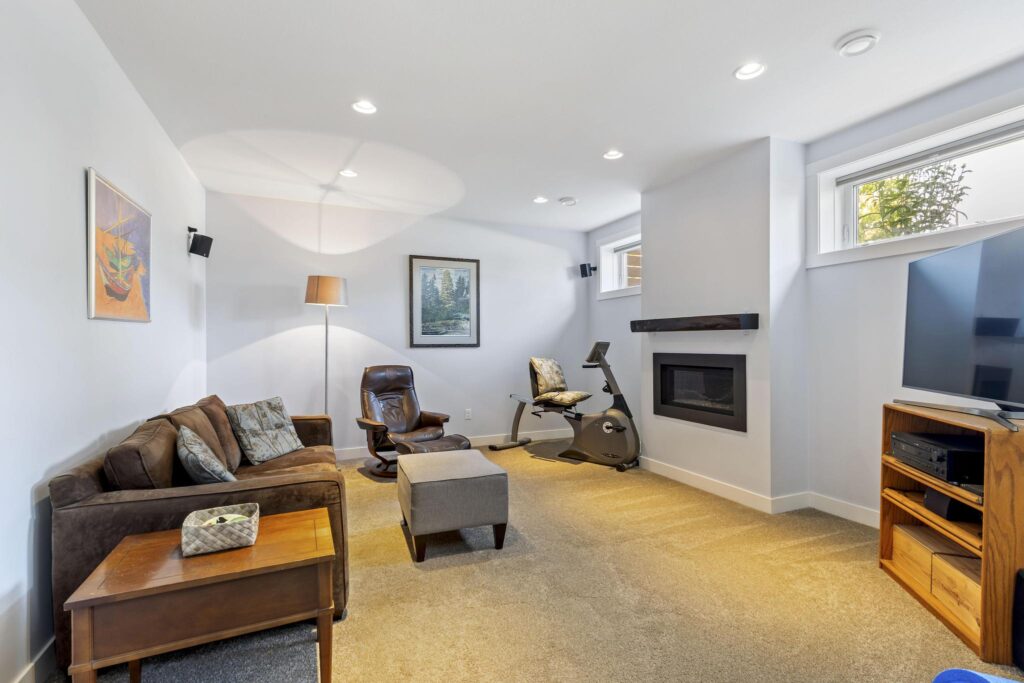
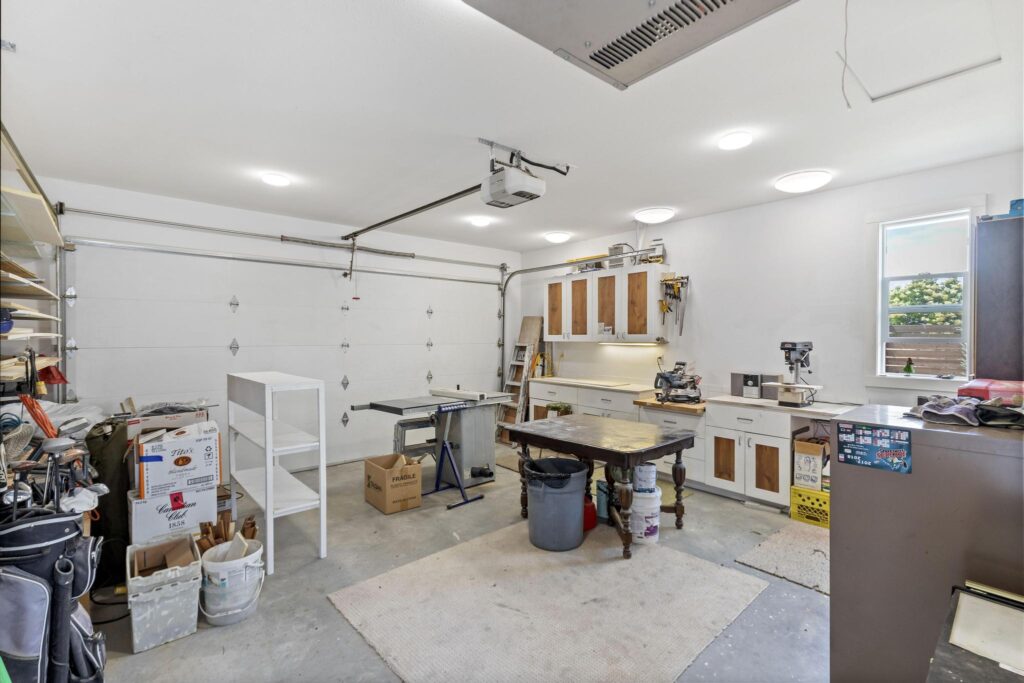
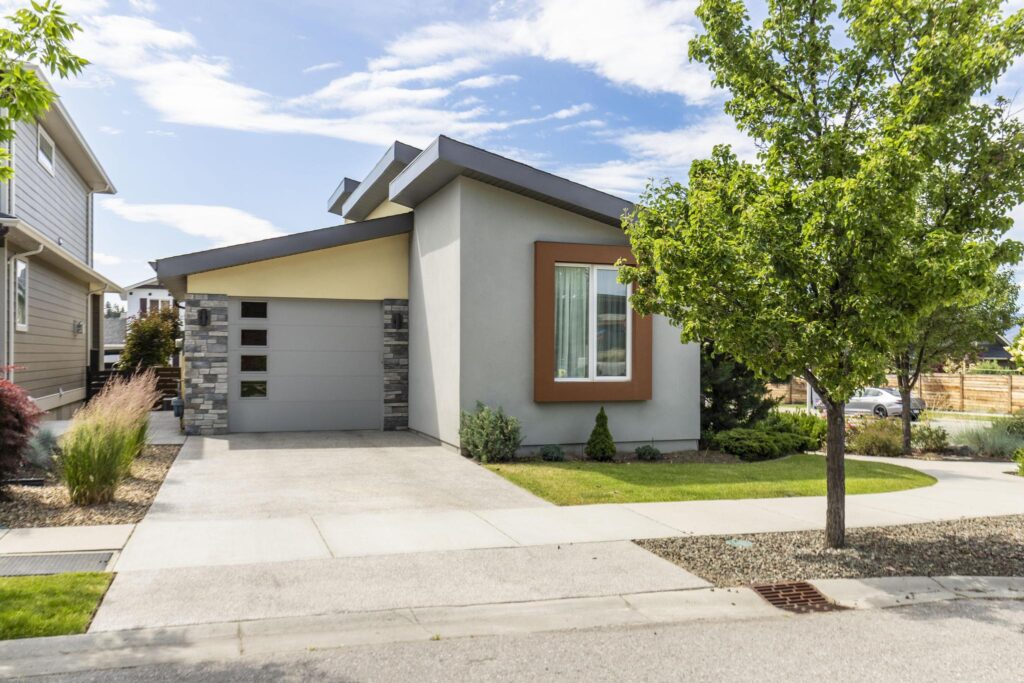
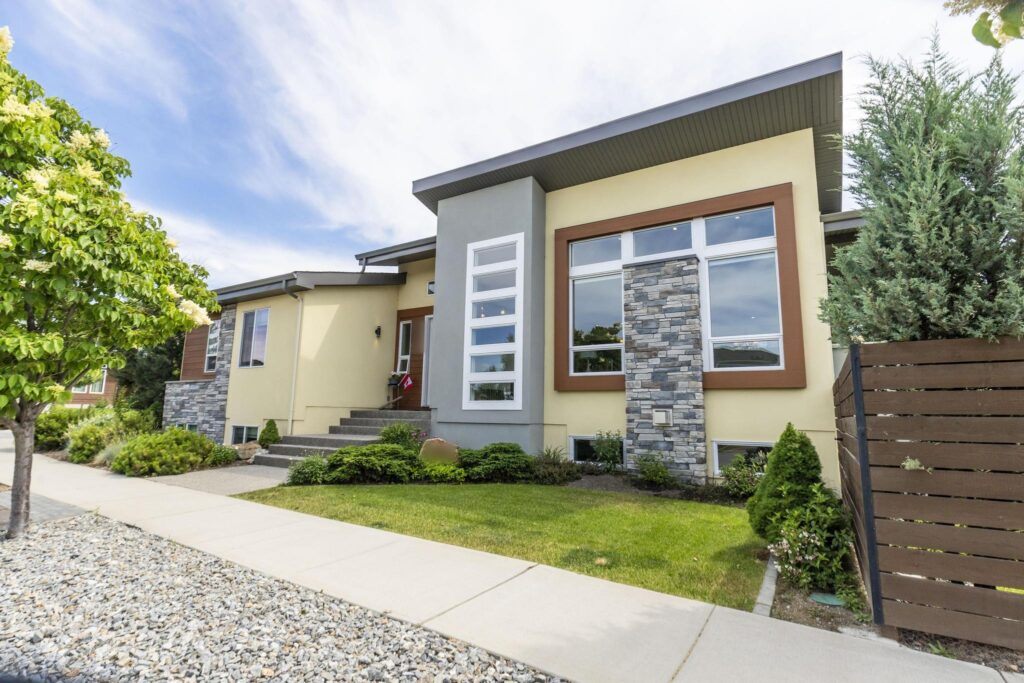
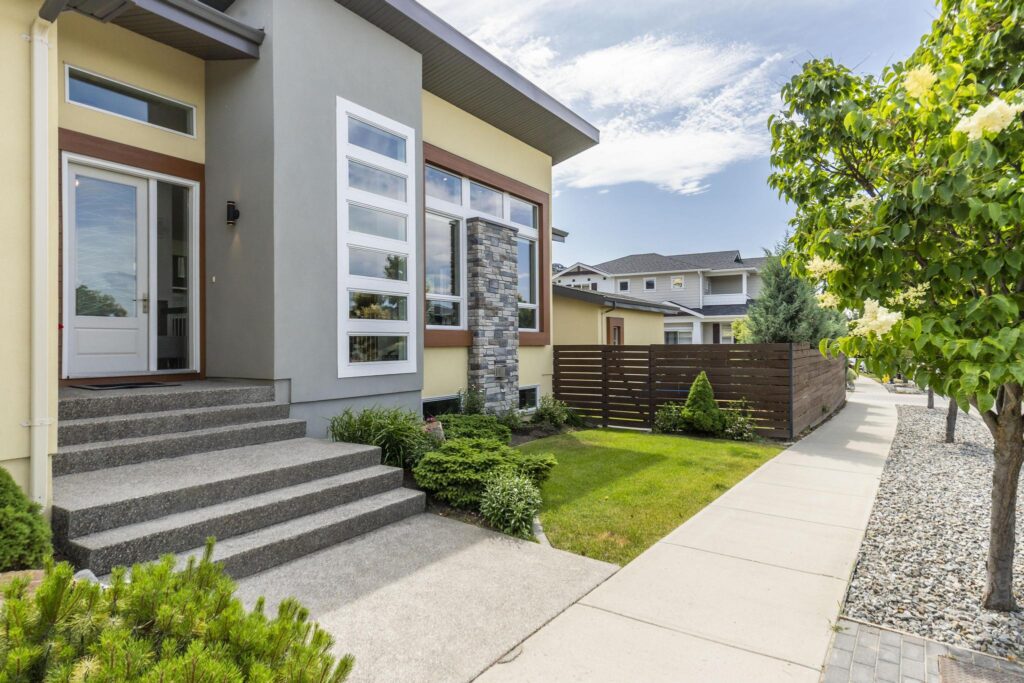
L. was leaving a home she had built herself. A custom rancher with a basement, over 2,500 square feet. Separate basement entrance with suite potential, an attached garage plus a second detached double.
Two things make a sale like this harder than the square footage suggests.
The first is emotional and nobody should pretend otherwise. Selling a house you designed is not the same transaction as selling a house you bought. Every choice in it was made with care for a particular way of living, and the job is to find the buyer who wants to live that way too.
The second is mechanical. A custom home is not a comparables problem. It’s a matching problem.
Why averaging the neighbourhood would have been wrong
Here is the trap with a house like this.
You pull the comparable sales, you average them, you land on a number that reflects what a typical home of that size in that area does. It looks defensible. It’s on paper. And it is quietly wrong, because a second detached double garage and a suite-ready basement barely move a neighbourhood average.
They do not barely move the small group of buyers who need them.
For the tradesperson with equipment, the family running a business out of the house, the buyer whose plan depends on rental income from the lower level, those two features are not a bonus. They are the entire reason to write an offer, and the rest of the house is what they tolerate to get them.
Price a house like that to the average and you sit. You sit because the buyers who’d pay for the features never see themselves in the listing, and the buyers who would pay the average don’t want what you’re selling.
What we did instead
Positioned it to the people the features were built for. The marketing led with the second garage, the separate entrance and the layout, rather than treating them as bullet points after the countertops.
Priced to that buyer, not to the street. With the explicit understanding that this narrows the pool. A smaller pool that actually wants your house beats a larger one that’s indifferent to it, every time.
Went in expecting to find out fast. That’s the honest trade on a narrow-pool strategy: if the right buyer is in the market right now, you find out quickly. If they aren’t, you find that out quickly too, which is its own useful information and much better learned in week two than month five.
They were in the market. The offer was accepted two days after it went live, and subjects came off 20 days after listing. The asking price was never reduced.
If you’re downsizing out of something you built
Ask yourself which features of your house were built for you specifically. Those are usually the ones a comparables grid undervalues and a matched buyer values highly.
Then be realistic that the buyer pool is smaller. That’s fine. You only need one, and the strategy is about finding that one rather than appealing weakly to everybody.
How I approach a listing · What clients say