METHOD · WILDEN
Marketing a vacant home
An empty house needs a different plan than a lived-in one, and in Wilden I list plenty of both. Empty is either open and full of possibility, or cold and hard to read. Which one a buyer sees is mostly down to the marketing.
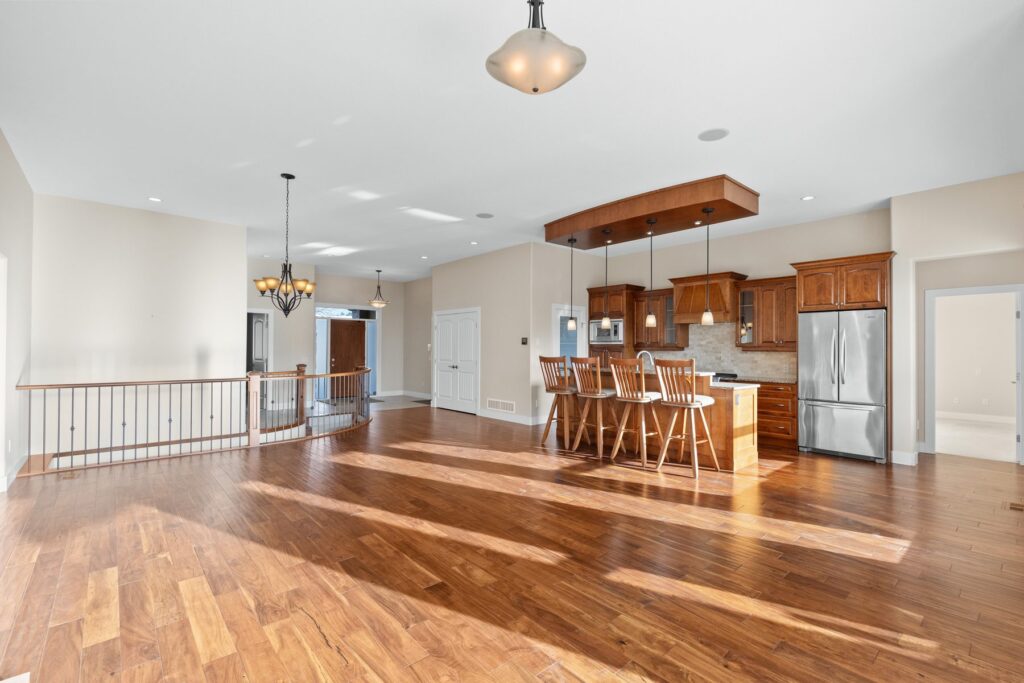
The trade-off
In your favour: nobody has to look past someone else’s furniture, or someone else’s taste. Buyers can put their own life in the room and judge the house on what it actually is.
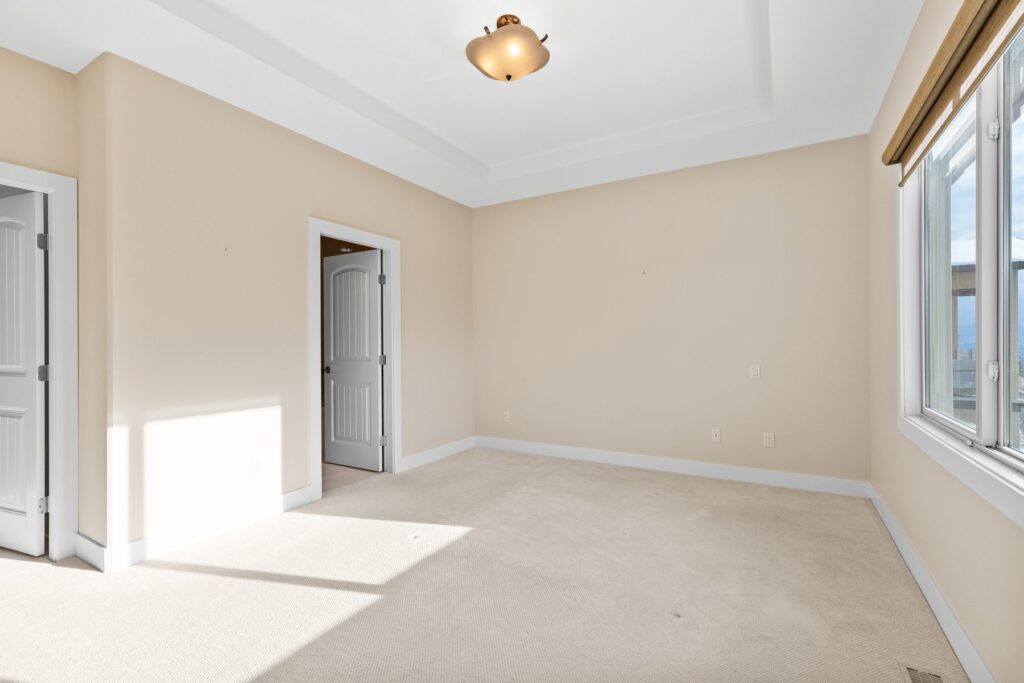
What needs work: empty rooms photograph cold, and scale is genuinely hard to read without furniture. If a buyer can’t tell whether their table fits, they’ll decide it doesn’t and move on before they ever visit.
The job isn’t to disguise an empty house. It’s to answer the questions the emptiness creates.
How I’d present it
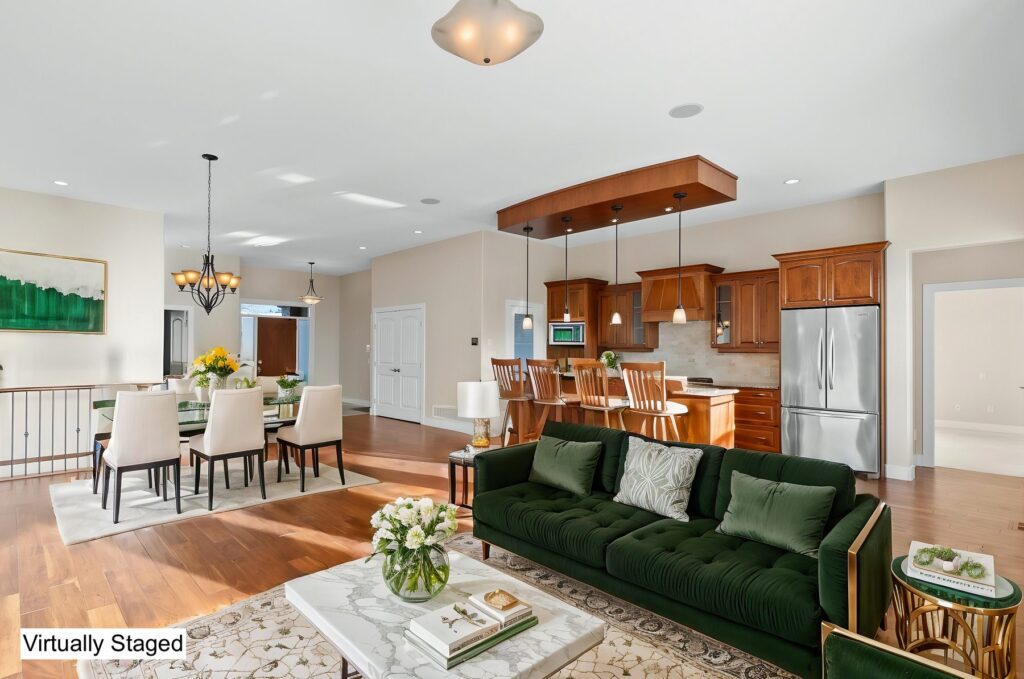
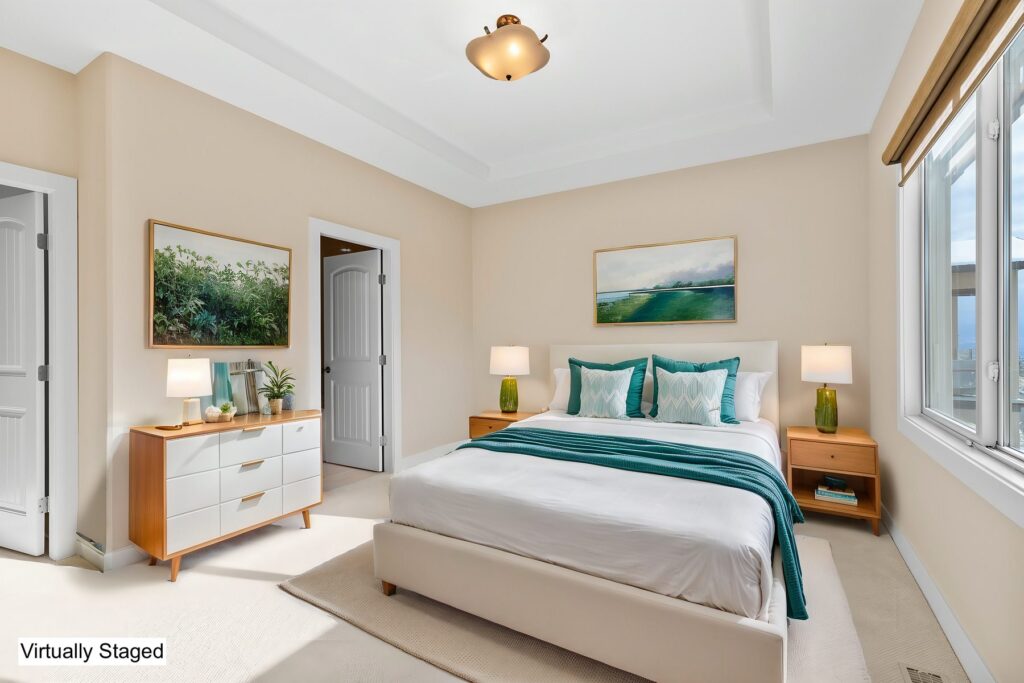
Virtual staging. Furnished renderings give a room scale and warmth. They get labelled clearly as renderings, always. A buyer who turns up expecting the sofa in the photo is a buyer you’ve just annoyed for no reason.
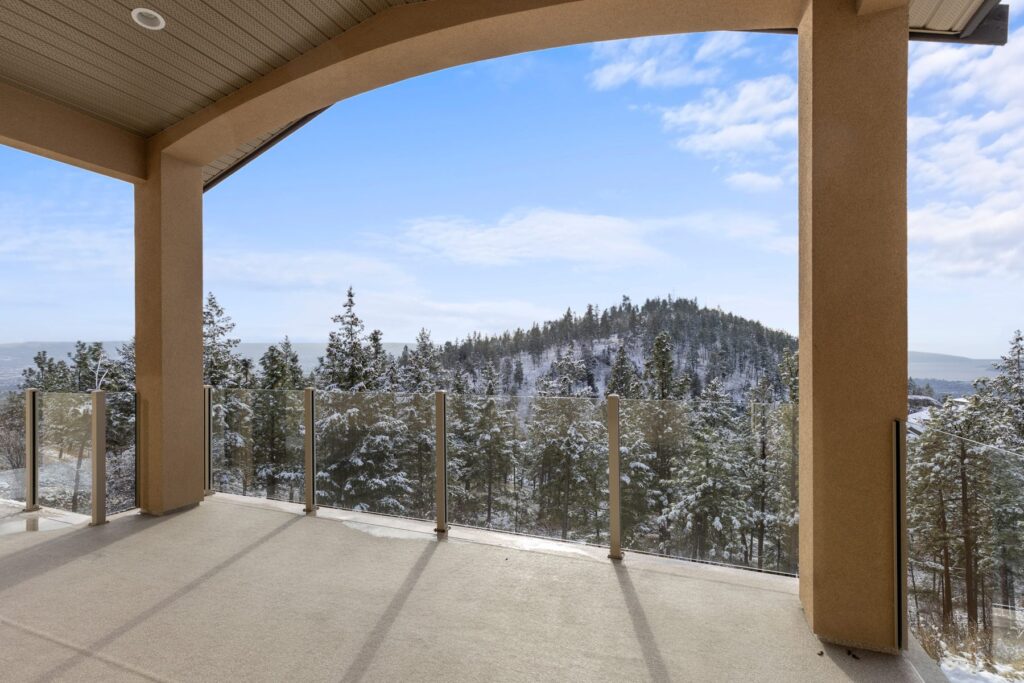
Photography, floor plans, aerial and 3D tours. Each answers a different question. Photos show condition and finish. Floor plans show how rooms connect and where furniture goes, which matters more on a vacant home than any other kind. Aerial gives the property context. A 3D tour lets someone walk the layout before deciding to drive over.
Twilight exteriors. Warmth on an empty house without pretending someone lives there.
Should you physically stage it?
Sometimes. Depends on the house, the price point, and how long you can carry the cost. I’ve got staging contacts and I’ll give you a straight read on whether it’ll change how buyers respond.
If I don’t think it moves the needle, I’ll tell you to keep the money. There are better places to spend it.
How I approach a listing · Ask me about your listing